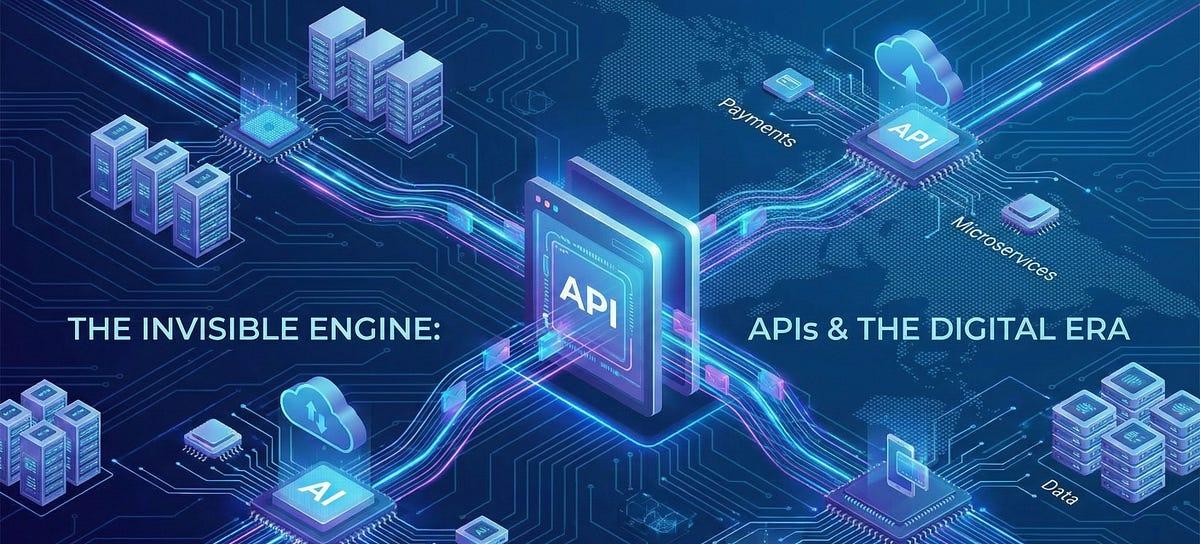
Automation: Building Systems That Work Without Constant Human Input Modern businesses no longer fail because of a lack of ideas.
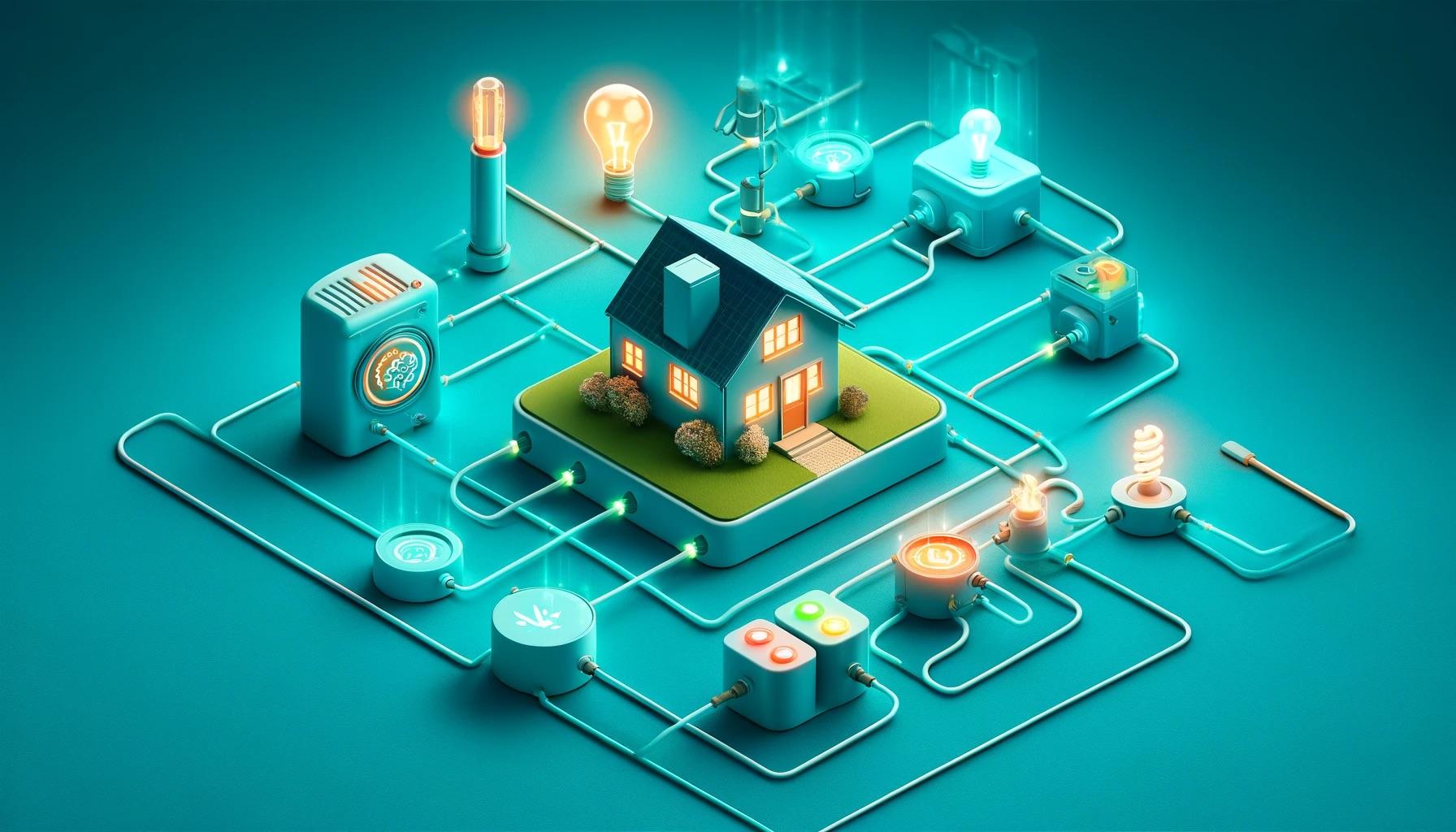
Automation: Building Systems That Work Without Constant Human Input
Modern businesses no longer fail because of a lack of ideas. They fail because processes break under scale. Manual operations, disconnected tools, and repetitive tasks slowly drain time, money, and focus. Automation exists to solve this exact problem.
At Vewnex, automation is not about replacing people. It is about designing systems that handle repetition, reduce friction, and allow teams to operate at a higher level.
What Automation Really Means in Business
Automation is the practice of designing workflows where tasks, decisions, and data movement happen automatically based on defined rules or intelligent triggers.
Instead of:
Manually responding to inquiries
Copying data between tools
Following up with leads one by one
Running the same operational steps repeatedly
Automation allows systems to act instantly, consistently, and without error.
Automation can be rule-based, AI-assisted, or fully agent-driven depending on complexity and business needs.
The Cost of Manual Operations
Many businesses underestimate how expensive manual work actually is. The cost is not just time—it’s inconsistency, human error, and lost opportunities.
Manual systems often result in:
Delayed responses to customers and leads
Missed follow-ups and forgotten tasks
Data scattered across multiple platforms
Inconsistent decision-making
Burnout within teams
Automation eliminates these weaknesses by enforcing structure and predictability.
Types of Automation We Implement at Vewnex
At Vewnex, automation is designed around real business use cases, not generic templates. We focus on systems that directly improve efficiency, revenue, and scalability.
1. Workflow Automation
We automate multi-step business processes such as:
Lead capture → qualification → CRM entry
Form submissions → internal notifications → follow-ups
Order events → confirmations → operational triggers
These workflows ensure no step is skipped and no data is lost.
2. AI-Powered Automation
AI allows automation to move beyond fixed rules. Instead of “if-this-then-that,” systems can analyze context and make decisions.
Use cases include:
Smart lead qualification
Automated customer support routing
Content classification and responses
Intelligent task assignment
AI-powered automation adapts instead of repeating blindly.
3. AI Agents and Task Delegation
AI agents act as specialized workers inside your systems. Each agent handles a defined responsibility.
Examples:
Sales agent qualifying and routing leads
Support agent handling Tier-1 inquiries
Onboarding agent guiding new users
Operations agent managing internal tasks
Agents communicate through backend APIs and automation layers.
4. System & Tool Integration
Most businesses use multiple tools that don’t naturally talk to each other. Automation connects them.
We integrate:
Websites and forms
CRMs and email platforms
Payment gateways
AI tools and databases
Internal dashboards
This creates a single, connected operational flow.
Automation and Backend Architecture
Automation only works when the backend is solid. At Vewnex, automation is built on secure, scalable backend APIs.
Backend automation enables:
Controlled data flow
Secure authentication and permissions
Event-driven triggers
Real-time processing
Long-term maintainability
Without backend structure, automation becomes fragile and unreliable.
Where Automation Creates the Most Impact
Automation delivers the highest value in areas with repetition, volume, and time sensitivity.
Common high-impact areas:
Lead management and follow-ups
Customer support and onboarding
Sales pipelines and CRM updates
Marketing workflows
Internal operations and reporting
Automation ensures speed without sacrificing accuracy.
Security, Control, and Reliability
Automation must be predictable and secure. Poorly designed automation can cause more harm than good.
At Vewnex, we focus on:
Clear logic and escalation rules
Access control and data security
Error handling and fallbacks
Monitoring and performance optimization
Compliance-aware design
Automation should reduce risk, not introduce it.
Automation as a Growth Strategy
Automation is not just an operational improvement—it’s a growth enabler. It allows businesses to handle more customers, more data, and more complexity without increasing headcount at the same rate.
Benefits include:
Faster response times
Lower operational costs
Higher consistency and accuracy
Better customer experience
Scalable systems that grow with demand
Automation allows teams to focus on strategy instead of repetition.
How Vewnex Approaches Automation Projects
Our automation process is structured and outcome-driven:
Business process analysis
Bottleneck and inefficiency identification
Automation strategy design
Tool and system selection
Implementation and testing
Optimization and ongoing support
Every automation is built for clarity, reliability, and future expansion.
Final Thoughts
Automation is not about complexity—it’s about control. Well-designed automation creates systems that quietly handle work in the background, allowing businesses to operate smoothly and intelligently.
At Vewnex, we build automation that is practical, scalable, and aligned with real business needs—powered by backend systems, AI, and strategic design.
If your operations depend on manual effort, automation is no longer optional. It is the foundation of modern, scalable business systems.
Ready to grow your digital presence?
Let’s build something powerful together. Get in touch with our team today.
Get StartedDiscussion
Comments (0)
Protected by reCAPTCHA